
How to keep catered food hot for hours without drying it out

The question I get most often after “how many” is how to keep catered food hot when the party runs three hours and the food arrived at the start of it. I have delivered enough pans to backyards in Plano and conference rooms in Dallas to know exactly where the food goes wrong, and it is almost never at the beginning. It is at hour two, when the lid has been off for a while and the last guests are getting the dry corners.
The short answer: Keep hot food above 140°F, keep it covered, and keep moisture in the pan. A chafing dish with water in the bottom pan holds food hot for two to three hours; a slow cooker on warm or an oven at 200°F does the same with less fuss. Food that sits uncovered on a table is safe for about two hours and tastes good for about one. Serve from one pan while the rest stay covered.
Everything below is the practical version of that answer: which method fits which room, how long each one really holds, what dries food out, and what I do differently for tamales, which are easier than most catering to keep hot if you let the husk do its job.
The two enemies: cold air and dry air
Food goes wrong at a party for two separate reasons, and hosts usually fight only one of them.
The first is temperature. Food safety guidance in the United States says cooked food should be held above 140°F, and that the window between 40°F and 140°F is where bacteria multiply fastest. Two hours in that window is the usual limit; on a hot Texas patio above 90°F it drops to one. A pan of food straight from a caterer’s van is well above that line, but it starts losing heat the minute the lid comes off, faster than people expect.
The second is moisture. Heat without a lid pulls water out of everything: rice gets crunchy on top, chicken tightens, salsa forms a skin. This is the one that actually ruins food, because a pan can be perfectly safe at 150°F and still taste like leftovers. So the goal is not just heat. It is heat plus a lid plus a little water somewhere in the system.
Once you think of it that way, every method in the next section is just a different way of delivering those three things.
How to keep catered food hot for three hours, method by method
Here is what I have watched work, and for how long, in real kitchens and real breakrooms. The times are for a full pan of food that arrived hot; a half-empty pan cools faster.
| Method | Holds hot for | Dries food out? | Best for |
|---|---|---|---|
| Chafing dish with water pan and fuel can | 2–3 hours per fuel can | Very little, if the lid stays on between guests | Buffets, offices without a kitchen, weddings |
| Slow cooker on “warm” with a splash of water | 4 hours or more | No, but rice and beans will keep cooking on “low” | Home parties, game day, small offices |
| Oven at 200°F, pans covered with foil | 2 hours comfortably | Only if the foil is loose or the oven runs hot | Houses, church kitchens, anywhere with an oven |
| Insulated cooler lined with towels | 2–3 hours, no power needed | No. This is the method that surprises people | Parks, tailgates, outdoor weddings |
| Foil pan on the table, lid on | About 1 hour before it is noticeably cooler | Fast, once the lid is off | Short lunches where everyone eats at once |
| Warming tray or electric buffet server | 3 hours or more | Yes, unless the pan is covered | Long open houses with power nearby |
The chafing dish works because the water pan turns it into a gentle steamer; run it dry and it scorches the bottom. The cooler works because a good cooler keeps heat in as well as out. The oven is the easiest of all, and the one most hosts forget they have. The rule that runs through every row: one pan out, the rest closed. My notes on setting up a buffet line that moves fast show where that one open pan should sit.
Why tamales are easier to keep hot than almost anything else
I will admit a bias here, but it is a bias built on physics. A tamal is steamed inside a corn husk, and the husk keeps working after it leaves my kitchen. It holds steam against the masa, so the tamal does not dry out the way a scoop of rice does. Left in the husk, covered, a full pan of my tamales is still hot and soft well past the two-hour mark, and reheating the stragglers is as simple as putting them back over steam.
Here is how I pack a catering order so that it arrives that way:
- Tamales stay in their husks, stacked in deep foil pans, lids on, labeled by filling so nobody has to open the pork to find the chicken.
- Salsa, red for the pork and green tomatillo for the chicken, travels separately when you ask for it, so it does not soak into the masa on the drive.
- Crema and serving spoons come along for buffet-style service if you tell me in the quote, so the pan can go straight from the van to the table.
The one thing I ask hosts is to leave the lids on until people are actually lined up. A pan opened at noon for a 12:30 lunch has already lost its best half hour. If you are serving over a long afternoon, unwrap tamales in small batches; a husked tamal on an open platter dries in about twenty minutes, while one in its husk holds for an hour.
The office version: no oven, no stove, one outlet
Most of the office lunches I deliver land in a conference room with a coffee maker and not much else. Here is what works there.
- Time the delivery for the meal, not the meeting. If lunch is at noon, ask for the food between 11:30 and 11:45, not at 10. A tight delivery window is the single best way to keep food hot, because the clock has not started yet.
- Leave the pans stacked and closed until the first person arrives. Stacked pans keep each other warm. Spread out on a long table, they cool from every side.
- If the office has a slow cooker in the breakroom, use it. Set it to warm, add a splash of water, and move a dozen tamales in at a time. It is quieter and safer than an open flame in a room full of laptops.
- Serve two tamales per person and move on. An office eats once. The pan does not need to hold for three hours because lunch is over in forty minutes. One reviewer told me that everyone in their office looks forward to tamale day, and part of that is that they eat while it is hot.
For a training day or an all-hands that runs long, tell me. I will split the order into a first and second wave rather than sending it all at once, and the second wave arrives as hot as the first.

The mistakes I see every week
None of these are dramatic. They are small things that cost the last third of your guests a good plate.
- Opening every pan at once. It looks generous and it is the fastest way to a cold buffet. One pan of each item out; the rest closed and stacked behind the table.
- Running a chafing dish dry. Check the water pan every hour. When it is empty the bottom of the food pan scorches, and the smell tells everyone.
- Setting a slow cooker to “low” instead of “warm.” Low is a cooking setting. After two hours it has turned your rice into a cake and cooked the chicken a second time.
- Reheating the whole pan in the microwave. A microwave heats unevenly and dries the edges before the middle is warm. If you have to microwave, do a few tamales at a time in their husks with a damp paper towel, and read my guide on reheating tamales for a crowd without a steamer before the day.
- Leaving the food in the sun. Direct sun heats the top of a pan and does nothing for the bottom, and it turns a two-hour safety window into one. Shade the table, even if it is just a folding canopy.
The first ten minutes after the van leaves decide most of this. I wrote down exactly what to do when catering arrives, and it takes less time to read than to reheat a pan.
The delivery window matters more than the equipment
Every method above buys you time. The cheapest way to need less of it is to have the food arrive closer to when it will be eaten. So when you request a quote, tell me when guests will actually eat, not when the event starts. A quinceañera that begins at five with dinner at seven wants the tamales at 6:30. A backyard birthday party from two to six wants the first pans at two and, for a big crowd, a second delivery at four. Then the chafing dishes only have to cover an hour or two, which they do easily.
Leftovers are not a failure of this plan. Tamales in their husks go in the refrigerator and steam back to life the next day; the reheating notes on my FAQ page cover the steamer, oven and microwave.
Ready to keep a party of 50 fed and hot?
If you are feeding a crowd in Richardson, Plano, Frisco or anywhere in north Dallas, tell me the date, the headcount, and the hour people will sit down to eat. I will send back a menu from Maggie’s Tamales and a price the same business day, and I will tell you which of the methods above fits your room, because I have probably delivered to one just like it. Request a catering quote and put the serving time in the notes; that one detail does more to keep the food hot than any piece of equipment.
Frequently asked questions
How do you keep catered food hot for hours?
Hold it above 140°F, keep the lid on, and keep moisture in the pan. A chafing dish with a water pan underneath holds a full pan hot for two to three hours per fuel can; a slow cooker on warm or an oven at 200°F holds even longer. Serve from one open pan while the rest stay covered and stacked, and the last guest gets food as hot as the first.
How long can catered food sit out before it is unsafe?
Food safety guidance gives cooked food about two hours between 40°F and 140°F before it should be thrown out, and only one hour when the air is above 90°F, which covers most Texas patios from May to September. Food held above 140°F in a chafing dish, slow cooker or warm oven does not count against that clock. Cover it and keep it warm, and the limit stops being an issue.
Can I keep catered food hot in a cooler?
Yes, and it is one of the best methods when there is no power. Line a good insulated cooler with a towel, put the hot foil pans in with their lids on, lay another towel over the top, and close it. A full cooler holds food above safe temperature for two to three hours, and nothing dries out because the steam has nowhere to go. It is how I would send tamales to a park or a tailgate.
Is a slow cooker or a chafing dish better for keeping food warm?
For a home party, a slow cooker on the warm setting with a splash of water is easier and holds longer, four hours or more. For an office or a buffet line, a chafing dish looks the part, is easy to serve from, and holds two to three hours per fuel can as long as the water pan stays full. Use warm, not low, on the slow cooker, or the food keeps cooking.
How do I keep tamales warm for a party?
Leave them in their husks and keep the pan covered. The husk holds steam against the masa, so covered tamales stay hot and soft for well past two hours. Open one pan at a time, and if the party runs long, put a dozen at a time in a slow cooker on warm with a little water, or back over a steamer for ten minutes. Unwrap only what will be eaten in the next twenty minutes.
Does Maggie’s deliver the food hot, or do I reheat it?
Hot. My own team delivers every catering order in an agreed window, in covered pans labeled by filling, so the food goes from the van to the table without a reheating step. Tell me when people will actually eat, and I will time the delivery to that hour. For long events I can split the order into two deliveries so the second half arrives as hot as the first.
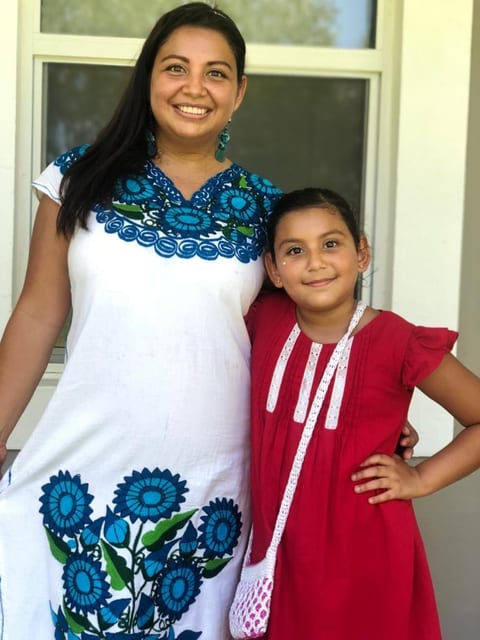
Chef Maggie
Founder and head cook at Maggie's Tamales & Catering in Richardson, Texas. Every tamal comes from her family's recipes and her own scratch kitchen. More about Maggie →
Related from Maggie's kitchen

What to do when catering arrives: the first ten minutes
The ten-minute routine I wish every host knew: who meets the driver, what to check, where the pans go, and how the tamales stay hot.
10 min read
How to reheat tamales for a crowd without a steamer
No tamalera? A covered pan, a splash of water and a 325°F oven will bring five dozen tamales back to life. Here are my times and the mistakes to skip.
9 min read
Tamale buffet setup: how to build a line that moves fast
The table order, heat, labels and salsa station that let a room of hungry guests get through a tamale buffet in minutes instead of a slow shuffle.
8 min readFeeding a crowd? Get a real quote today.
Tell us the date, the headcount and where to deliver. Maggie replies personally with a menu and a price.