
How to host a tamalada without spending two days in the kitchen

A tamalada is a tamale-making party: the family and friends gather in one kitchen, set up an assembly line, and turn a mountain of masa and a pot of filling into hundreds of tamales while everyone talks over each other. It is the best party of the year in a Mexican-American household. It also traditionally eats a whole weekend. Here is how I host one in a single afternoon, by preparing the masa and fillings ahead, giving every guest one job, and keeping a few dozen finished tamales in reserve so the party eats well no matter how the folding goes.
I have run tamaladas in my grandmother’s kitchen, my mother’s, my own, and now in a commercial kitchen where we make tamales every day. The rules below are the ones that survived all four.
What a tamalada actually is
The word comes from tamal, the same way a fiesta comes from a feast. A tamalada is the gathering where tamales get made in bulk, because they were never meant to be made two at a time. Traditionally it happens in December, in the run-up to Christmas Eve, and it doubles as a family reunion. Grandmothers run it. Aunts fold. Teenagers spread masa and complain. Somebody’s husband is assigned to the pot and told not to touch anything else.
The reason it takes two days is not the cooking. It is the prep. Pork shoulder has to simmer, then be shredded, then be sauced. Dried chiles have to be toasted, soaked, and blended. Corn husks have to soak for hours. Masa has to be mixed with lard and broth and whipped until a spoonful floats in water. Do all of that on the same day as the folding and you will still be steaming at midnight.
So the whole secret is this: a tamalada is two events. There is the prep, which is work, and there is the folding, which is the party. Do the work before your guests arrive, or hand it to me, and keep the party.
Decide what kind of tamalada you are hosting
There are three honest versions, and each is a real tamalada.
The full tradition
You make everything from scratch: filling, salsa, masa, husks. This is the version for a family that already knows how, with a grandmother in the room. Budget two days and an extra refrigerator. If this is you, my article on what makes a tamal authentic goes deep on masa, chile, and patience.
The afternoon tamalada
You prep the fillings and masa the day before, or the morning of, and your guests do the spreading, filling, folding, and steaming. Four hours, start to eating. This is the version most of this article is about.
The tamalada with a safety net
You host the folding party for the fun of it, with a small batch of masa and filling, and I deliver several dozen finished tamales so dinner is guaranteed. This is the version for offices, for church groups, for a first attempt, and for anyone who has been to a tamalada where the masa did not work out. Nobody has to know which tamales came from which pot. I order them for my own extended family sometimes, and I am the chef.
The afternoon plan, hour by hour
This is my schedule for a group of eight to twelve people making around ten dozen tamales.
| When | What happens | Who |
|---|---|---|
| Day before | Cook and shred the pork, make the red salsa, sauce the meat, refrigerate. Cook the chicken, make the green salsa. | Host, or my kitchen |
| Morning of | Soak the husks in hot water. Mix the masa with lard and broth, whip until light. | Host |
| Hour 1 | Guests arrive. Set the line: husks, masa, two fillings, folding, stacking. Show everyone one tamal start to finish. | Everyone |
| Hours 2–3 | Fold. Music, snacks, stories. Load the pots as trays fill. | Everyone |
| Hour 3 | First pot goes on. Steam 60–90 minutes. | The pot person |
| Hour 4 | Test one. Eat. Send everyone home with a dozen. | Everyone |
The line matters more than anything. Put the husks at one end, the masa next, the fillings next, then a clear space for folding and a tray for stacking. Guests move down the line or, better, stay in one station and pass tamales along. A single spreader with a good technique will outpace three fillers, so put your fastest person on masa.
Give every guest one job
The tamalada falls apart when everyone tries to do everything. Assign stations before anyone picks up a husk.
- Husk person. Drains the soaked husks, wipes them, trims the ragged edges, and keeps a stack ready. Also tears thin strips of husk for tying, if your family ties.
- Spreader. The most important job. Takes a husk, smooth side up, and spreads a thin, even layer of masa over the wide two-thirds of it with the back of a spoon or a spatula. Too thick and the tamal is all masa. Too thin and it tears.
- Filler. A spoonful of pork in red salsa or chicken in green down the center. Less than you think. Overfilled tamales split.
- Folder. Folds one long side over the filling, then the other, then folds the narrow tail up. Stacks them fold-side down.
- Pot person. Stands the tamales upright in the steamer, open end up, packed loosely enough for steam to move. Keeps the water simmering and tops it up. Does not open the lid for the first hour, no matter what anyone says.
- Quality control. The grandmother, or the guest who has done this the most. Tastes the masa for salt before the first tamal is folded, and tastes the first tamal out of the pot.
Give kids the husk station or their own small folding station with a tray of masa. They will make ugly tamales. Steam them anyway and serve them with ceremony.

What to feed people while the tamales steam
The gap between the last fold and the first bite is an hour and a half, and by then your guests have been on their feet for three hours. Feed them. My tamalada snack table is always the same: chips and two salsas, guacamole, a pot of beans, a plate of cheese and pickled jalapeños, and something to drink. Coffee with cinnamon in the morning, agua fresca in the afternoon, champurrado if it is December.
Or do what I really recommend, which is to have a few dozen finished tamales delivered earlier in the day. Guests eat a real lunch while their own batch steams, the hosts are not cooking two meals, and if the homemade batch comes out a little dense, dinner is still wonderful. Our pork tamales in red salsa and chicken tamales in green salsa are on the menu with prices, by the dozen, and the bulk tamales page explains how larger orders work for groups and churches.
The mistakes I see every year
- Dry husks. They need a real soak in hot water, an hour at least, weighed down with a plate so they stay under. A dry husk cracks when you fold it.
- Heavy masa. Masa needs to be whipped until it is light and a small ball floats in a glass of water. If it sinks, keep whipping. This is the single biggest difference between a tamal that is fluffy and one that is a brick.
- Wet filling. The meat should be sauced, not swimming. Drain it before it goes on the line, or it soaks through the masa.
- A packed pot. Steam has to circulate. Stand the tamales upright, loosely, with a layer of husks on top and a lid.
- Peeking. Every time the lid comes off, the pot loses fifteen minutes. Set a timer for an hour and leave it alone.
- No plan for leftovers. Ten dozen tamales is a lot of tamales. Have freezer bags ready. My guide to reheating tamales tells everyone how to bring them back to life at home.
Turning a tamalada into an event
Some of the best tamaladas I have been part of were not in family kitchens. An office in Plano held one as a December team lunch, with the folding as the activity and my tamales as the meal. A church group in Richardson held one as a fundraiser, selling the dozens they made and the dozens I delivered side by side. A bride in McKinney hosted one as a rehearsal dinner. If you want to build a tamalada into a bigger day, the holiday tamales page is where the pre-orders happen, and I am happy to talk through the logistics on the phone. I confirm every quote myself, and I love this particular question.
If you want the story behind why this tradition exists at all, I wrote about why tamales mean Christmas in Texas. The short answer is that a tamalada is how a family ends up in one kitchen once a year, and the tamales are the excuse.
Frequently asked questions
What is a tamalada?
A tamalada is a tamale-making party. Family and friends gather in one kitchen, set up an assembly line for spreading masa, filling, folding, and steaming, and make tamales in bulk, usually many dozens at a time. In Texas and Mexico it is most often held in December before Christmas Eve and doubles as a family reunion. The prep is work, but the folding is the party, and everyone goes home with a dozen.
How long does a tamalada take?
The traditional version takes two days, mostly because the fillings, salsas, and masa need to be made before anyone folds. If you prep the fillings the day before and mix the masa in the morning, the party itself takes about four hours: an hour to set up and teach, two hours of folding, and an hour to ninety minutes of steaming. Having finished tamales delivered means guests eat well while the homemade batch steams.
How many people do you need for a tamalada?
Six to twelve is the sweet spot. Fewer than six and the line is slow and the party feels like work. More than twelve and the kitchen runs out of counter space. Assign one job per person: husks, spreading, filling, folding, and the pot, with an experienced person tasting for quality. Kids can run the husk station or fold at their own tray.
Can I host a tamalada without making tamales from scratch?
Yes, and many families and offices do. Host the folding party with a small batch of masa and filling for the experience, and have several dozen finished tamales delivered so dinner is guaranteed. Our tamales are made from scratch in a Richardson kitchen and delivered by the dozen. It keeps the tradition, the gathering, and the fun without the two days of prep or the risk of a bad batch.
How do you know when tamales are done steaming?
After about an hour, pull one out and let it rest for five minutes. If the husk peels away cleanly and the masa is firm and set, they are done. If the masa sticks to the husk or looks wet, put it back and check again in fifteen minutes. Resting matters: a tamal straight from the pot always seems soft, and it firms up as it cools slightly.
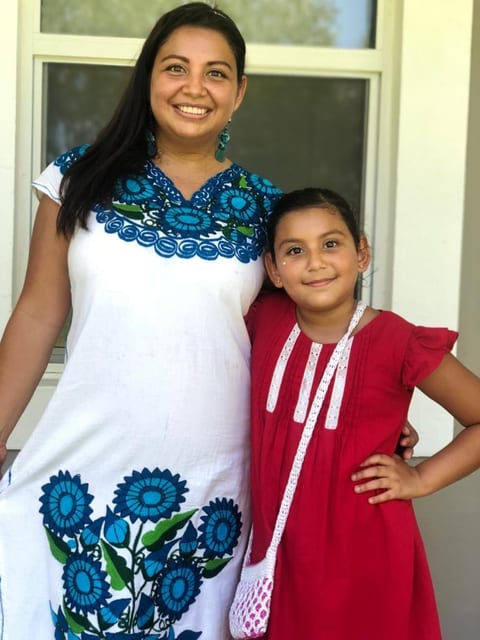
Chef Maggie
Founder and head cook at Maggie's Tamales & Catering in Richardson, Texas. Every tamal comes from her family's recipes and her own scratch kitchen. More about Maggie →
Related from Maggie's kitchen

What makes a tamal authentic? Masa, meat, chiles, and patience
There is no secret ingredient and no regional passport. Authentic means nobody skipped a step, and every step takes time. Here is what to taste for.
10 min read
Why tamales mean Christmas in Texas, and how to order yours early
Tamales have been the Christmas Eve meal in Texas homes for generations. Here is where the tradition comes from and how to get yours before the rush.
9 min read
How to reheat tamales so they taste fresh again
Steam is the gold standard, but the oven feeds a crowd and the air fryer gives crisp edges. Here is exactly how I do each one, with times.
9 min readFeeding a crowd? Get a real quote today.
Tell us the date, the headcount and where to deliver. Maggie replies personally with a menu and a price.