
What makes a tamal authentic? Masa, meat, chiles, and patience

An authentic tamal is made from real masa, filled with meat that was cooked slowly in real chiles, wrapped by hand in a corn husk, and steamed until the dough gives up and turns tender. That is it. There is no secret ingredient and no regional passport. What makes it authentic is that nobody skipped a step, and every step takes time.
I have been asked whether my tamales are “authentic” by people from Monterrey, from Oaxaca, from El Paso and from Ohio, and each of them meant something different. So let me tell you what the word means in my family, what it does not mean, and how you can tell the difference with your own fork.
Authentic is a family word, not a rulebook
Mexico has dozens of styles of tamal. In Oaxaca they wrap them flat in banana leaves. In the north they are slimmer, with a thin layer of masa and a lot of red chile pork. In Michoacán there are corundas folded into triangles. Along the Gulf there are giant zacahuiles cooked in pits. Every one of those is authentic to the people who grew up eating it.
My tamales come from the women in my family, and the recipe went from grandmother to mother to me the way it does in most Mexican kitchens: by standing next to someone and watching their hands. Nobody wrote down a ratio. You learned when the masa was ready by how it felt on the spoon.
So when I say authentic, I do not mean “the one true tamal.” I mean the way my family has always made it, with the ingredients it was always made with, and without the shortcuts that a busy kitchen is tempted to take. That last part is where most tamales lose their way, and it is the part you can taste.
The masa
Masa is the soul of the tamal, and it is the thing most often faked. Real masa starts with corn that has been nixtamalized: soaked and cooked in lime water until the hull loosens, then rinsed and ground. That process gives masa its smell, a little like fresh tortillas and a little like rain on a field, and it is the reason corn dough holds together without wheat. Our masa is gluten-free for exactly this reason, and I explain the details in are tamales gluten-free.
Then comes the part that takes patience: beating fat and broth into the masa until it is light. Traditionally that fat is lard, and traditionally you beat it for a long time, longer than feels reasonable, until a small spoonful of dough floats in a glass of cold water. If it sinks, keep beating. A tamal made from masa that never floated is dense, heavy and pasty. A tamal made from masa that did is tender and almost fluffy, and it pulls cleanly from the husk.
The shortcut is to mix the masa just until it comes together and hope the steam does the rest. It does not. You can tell a rushed masa the moment you bite: it sticks to the roof of your mouth.
The meat
An authentic tamal is generous with its filling. Reviewers describe ours as packed with meat, and I take that as the highest compliment, because the cheap way to make a tamal is to make it mostly masa. Meat costs more than corn. A tamal with a thin stripe of filling down the middle is a tamal made to a price.
The meat also has to be cooked properly before it ever meets the masa. For the pork, that means slow cooking until it shreds with a fork, then simmering it in the red chile salsa so the sauce cooks into the meat instead of sitting on top of it. For the chicken, I use chicken breast and fold it into the tomatillo salsa so it stays juicy inside the dough. By the time the tamal is steamed, the filling and the sauce are one thing.
The shortcut is to cook the meat plain and pour sauce over the tamal at the end. It looks the same on the plate. It does not taste the same, because the meat inside is dry and the flavor is only on the surface.
The chiles
The red salsa is made from dried red chiles, toasted until they smell nutty, soaked until they soften, and blended. The green is made from tomatillos and fresh green chiles roasted until they blister. Those are the two flavors on my menu, and I go into how they differ in red salsa pork versus green salsa chicken.
What makes the chile authentic is that it is real chile, not chili powder from a jar and not a sauce out of a can. We use the finest chiles we can find in Texas, and sometimes a specialty variety comes up from Mexico in my grandpa’s suitcase, which is a story for our family page. Every chile is toasted and prepared by hand, because that toasting is where the smoke and the sweetness come from. Skip it and the sauce tastes flat and raw.
The chiles are also where the heat lives, and here is something people get wrong: authentic does not mean painfully hot. In my family the chile is there for flavor. The warmth is a side effect, and it is meant to make you take another bite, not reach for water.
| Step | The shortcut | The long way | What you taste |
|---|---|---|---|
| Masa | Mix until combined | Beat with fat and broth until a spoonful floats | Light and tender instead of pasty |
| Filling | Thin stripe of meat | Generous filling, so every bite has meat | A meal, not a snack |
| Sauce | Poured over at the end | Meat simmered in the salsa first | Flavor all the way through |
| Chiles | Powder or canned sauce | Whole dried chiles, toasted and soaked | Smoke, sweetness, real depth |
| Steaming | Rushed, packed tight | Upright, loose, steamed until the husk releases | Clean pull from the husk |
The wrap and the steam
The corn husk is not packaging. It is an ingredient. Dried husks are soaked until they are soft and flexible, then the masa is spread on the smooth side, the filling goes in the center, and the husk is folded so the tamal seals itself. Do it well and the husk gives the masa a faint sweetness and holds the steam against the dough. Do it badly, with a torn husk or a loose fold, and water gets in and the masa goes soggy.
Then the tamales stand upright in the pot, open ends up, packed loosely enough that steam can move between them, and they steam for well over an hour. There is no rushing this. Turn the heat up and the outside overcooks while the center stays raw. Pack them tight and the ones in the middle never finish. The test is the same one my grandmother used: pull one out, let it rest a minute, and open it. If the husk releases cleanly, they are done. If the masa clings, give them more time.
This is the patience part of the title. Between beating the masa, cooking the meat, preparing the chiles, wrapping by hand and steaming, an honest batch of tamales is a full day of work. It is why families make them together at the holidays, and why I wrote a guide to hosting a tamalada for people who want the tradition without losing the whole weekend.

How to tell an authentic tamal when you eat one
You do not need to see the kitchen. The tamal tells you.
- The husk comes away clean. Well-made, properly steamed masa releases from the husk in one piece. Masa that sticks was rushed or under-steamed.
- The masa is tender, not gummy. It should give under a fork and taste like corn, slightly sweet, slightly rich from the fat. If it feels like paste, the masa was never beaten enough.
- There is meat in every bite. Cut it across the middle. The filling should run the length of the tamal, not sit in a thin line.
- The sauce is inside, not just on top. The meat itself should be stained with chile. A plain filling under a spoon of sauce is a shortcut.
- It smells like toasted chile and corn. Not like a spice packet. Not like nothing.
- The heat is warm, not violent. Real chile has flavor first and heat second.
If you want to know what other people notice, our Google reviews are full of the same words: huge, packed with meat, a little kick. Those are the signs of a tamal that was not made to a price.
What authentic does not mean
It does not mean small. Some regions make delicate tamales, and ours are big, a full meal for most people, because that is how my family made them and because I would rather someone leave full. Big is not less authentic. Stingy is.
It does not mean one region’s style. A banana-leaf tamal from Oaxaca and a red chile pork tamal from the north are both the real thing.
It does not mean the hottest thing on the table, and it does not mean some rare ingredient nobody can get. The ingredients are humble: corn, fat, meat, chiles, salt, husks. The authenticity is in the hands and the hours. I cook in the spirit of Like Water for Chocolate, where what you feel while you cook ends up in the food, and I believe that is true.
And it does not mean the tamal has to be made in Mexico. It has to be made with care, by someone who learned the right way. We make ours fresh in Richardson, and every batch starts from scratch. If you want to know who is doing the cooking, my profile tells the story. If you want to know how far back the tamal goes, read the long history of the tamal, from Aztec feasts to Texas kitchens.
Why this matters when you are feeding a crowd
People remember food that was made properly. At an office lunch, the difference between a real tamal and a factory one is the difference between “that was nice” and “when is tamale day again?” At a wedding or a quinceañera, an authentic tamal is a link to the grandmother who is not at the table anymore, and guests feel that even if they cannot name it.
That is why I keep the menu short, two tamales made the long way, and why I confirm every catering order myself. You can see both on the menu. There are only two, and I would not change a step in either of them.
Frequently asked questions
What makes a tamal authentic?
Real nixtamalized corn masa beaten with fat and broth until light, a generous filling of meat cooked slowly in real chile salsa, a hand-wrapped corn husk, and a long, gentle steam until the husk releases cleanly. Authentic is less about a region than about not skipping steps. Every regional style of tamal in Mexico shares those fundamentals, from banana-leaf Oaxacan tamales to northern red chile pork.
Is a real tamal supposed to be spicy?
Not necessarily. In traditional kitchens, chiles are there for flavor, and the heat is a side effect rather than the goal. Our pork tamal in red salsa has a warm, medium heat, and the chicken in green tomatillo salsa is milder. A tamal that is painfully hot is not more authentic, and one that tastes like a spice packet instead of toasted chile is less so.
Should tamales be made with lard?
Traditionally, yes. Lard is what gives masa its richness and tender texture, and it is what most grandmothers used. Some cooks use vegetable shortening or oil, and the tamales can still be good, but they tend to be a little drier and less flavorful. What matters most is beating the fat into the masa long enough that a spoonful floats in cold water.
Why do some tamales stick to the husk?
Usually because the masa was not beaten enough, the tamales were packed too tightly in the pot, or they were pulled out before they finished steaming. Properly made masa releases from the husk in one piece once it is fully cooked. If a tamal clings, it needs more time in the steamer. Reheating a cold tamal with too little moisture can also make it stick.
Are big tamales less authentic than small ones?
No. Size is regional and family tradition, not a measure of authenticity. Some parts of Mexico make slim, delicate tamales and others make huge ones cooked in pits. Ours are big because that is how the women in my family made them and because I want one tamal to be a real meal. Authenticity is in the masa, the filling and the patience, not the size.
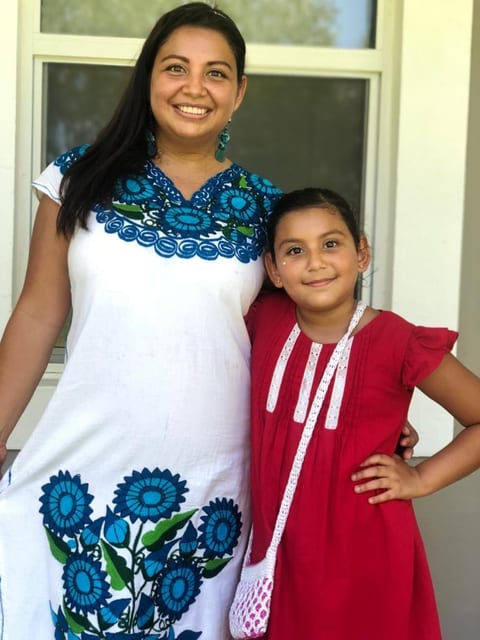
Chef Maggie
Founder and head cook at Maggie's Tamales & Catering in Richardson, Texas. Every tamal comes from her family's recipes and her own scratch kitchen. More about Maggie →
Related from Maggie's kitchen

The long history of the tamal, from Aztec feasts to Texas kitchens
The tamal is older than the Aztecs and still fed by the same corn. A chef’s tour of where it came from and how it reached Texas.
8 min read
Red salsa pork or green salsa chicken? Choosing for a crowd
Deep and smoky versus bright and tangy. How the two salsas differ, how spicy each really is, and the split I use for parties and offices.
8 min read
How to host a tamalada without spending two days in the kitchen
A tamalada is the family tamale-making party behind every Texas Christmas. Here is how to host one in an afternoon instead of a weekend.
8 min readFeeding a crowd? Get a real quote today.
Tell us the date, the headcount and where to deliver. Maggie replies personally with a menu and a price.